Access denied on Dartmouth Road? Quick solutions for movers
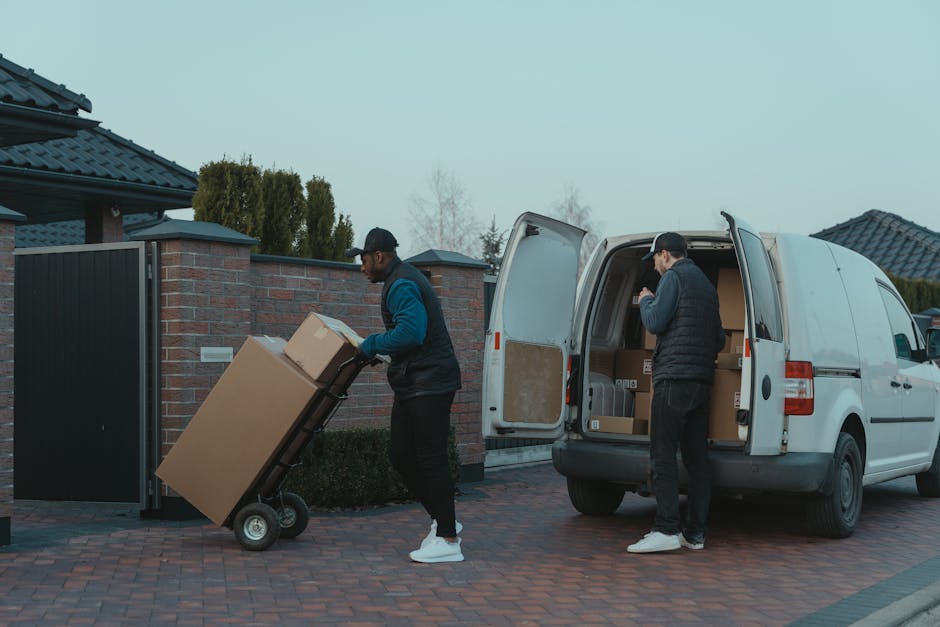
If you are staring at a tight street, a blocked driveway, or a property manager saying "access denied," you are not alone. Moves on Dartmouth Road can become awkward fast, especially when parking is limited, entrances are narrow, or building rules are stricter than expected. The good news? There are usually quick, sensible ways to keep the day moving without turning it into a last-minute scramble.
This guide breaks down what access denied really means for movers, why it matters, and how to respond calmly and practically. You will find step-by-step solutions, common mistakes to avoid, and a simple checklist you can use before moving day. If you need a broader moving service overview as well, it can help to look at man and van support, home moves, or office relocation services depending on the size and type of move.
Truth be told, access problems are one of those things people only think about after the van has arrived. By then, the pavement is busy, the clock is ticking, and the lift is somehow "out of service" for the first time in months. Let's avoid that mess.
Why Access denied on Dartmouth Road? Quick solutions for movers Matters
Access problems sound small until they stop everything. A move depends on timing, loading space, safe walking routes, and enough room to carry items without damaging walls, doors, or parked cars. When access is denied or restricted, the whole operation can slow down, become more expensive, or even need rescheduling.
On a busy road, a denial can mean several different things. A property manager may refuse entry before a certain time. A vehicle may be too large for the available space. The lift may be booked. A permit may be missing. Or the access route you expected from the front turns out to be through a back entrance with a very awkward turn. You get the idea.
Why does that matter so much? Because movers are not just shifting boxes. They are managing weight, route planning, protection of property, and time on street. When one access point disappears, the entire plan changes. That is especially true for larger family homes, flats above shops, or commercial premises where other people still need to use the building.
If the move is time-sensitive, access delays can also create knock-on effects: keys handed over late, cleaners waiting, utility handovers missed, or the next occupant arriving before you are done. In our experience, a small access issue often becomes a bigger stress issue. Not ideal on moving day, to be fair.
How Access denied on Dartmouth Road? Quick solutions for movers Works
When people say access is denied, they usually mean one of three things: physical access, vehicle access, or operational access. The fix depends on which one you are dealing with.
1. Physical access
This is the classic "we cannot get items through here" problem. It might be a narrow stairwell, a too-small lift, a gated entrance, a tight turn in the hallway, or a doorway that simply will not cooperate with a sofa. The answer is usually better planning, careful measuring, and sometimes dismantling furniture.
2. Vehicle access
This happens when the van cannot safely stop close enough to the property. Maybe the road is too narrow, parking is fully taken, or there are restrictions at the kerbside. In that case, movers may need a smaller vehicle, timed loading, a short carry from the nearest legal space, or a different unloading point.
3. Operational access
Some properties have rules rather than barriers. You may need to book the lift, provide ID, notify a concierge, or move within a restricted time window. Office buildings can be especially particular. If you are relocating a workplace, it can help to review commercial moves or office relocation services so your move plan matches the building's expectations from the start.
The trick is not to treat all access issues the same. A van parked 40 metres away is inconvenient. A locked service entrance with no booking is a different beast entirely. One needs logistics. The other needs permission, timing, and sometimes a rethink of the moving plan.
Key Benefits and Practical Advantages
Solving access issues early does more than save time. It makes the whole move feel less chaotic. And honestly, that alone is worth quite a bit.
- Fewer delays: Once access is sorted, loading and unloading can proceed without constant stop-start interruptions.
- Lower damage risk: Better route planning reduces the chance of scraped walls, chipped bannisters, or bumped furniture.
- Less stress on the day: Nobody likes standing on the pavement wondering where the sofa is supposed to go.
- Better use of labour: Movers spend time moving, not waiting around for a door to open or a space to clear.
- Cleaner handover: You are more likely to meet key deadlines, especially if you are moving out of a rental or commercial unit.
There is also a confidence benefit. Once the access plan is clear, you can make sharper decisions about vehicle size, packing order, and whether extra hands are needed. If you are comparing flexible moving options, a smaller-scale solution such as man with van support or a larger vehicle through moving truck arrangements may fit better than a one-size-fits-all approach.
A lot of moving headaches come from one simple problem: the job was planned around the items, but not around the access. That is the bit people miss.
Who This Is For and When It Makes Sense
This kind of planning is useful for anyone moving on or around Dartmouth Road, but it is especially relevant if the property has limited frontage, shared access, basement storage, or a busy street layout.
- Flat movers: Top-floor flats, converted houses, and buildings with narrow stairs often need careful route planning.
- Families with larger furniture: Sofas, wardrobes, beds, and dining tables can become access problems very quickly.
- Small business owners: Office relocations often depend on building rules, loading bay bookings, and set time windows.
- Landlords and tenants: You may need to protect communal areas and keep within building or lease conditions.
- People with limited time: If you have only a short handover window, access planning is not optional.
It also makes sense if you are moving items rather than a whole household. A single bulky item can still be a problem if stair access is poor. In those cases, furniture pick-up or a tailored lifting plan may be the calmer route. Not glamorous, but it works.
And yes, sometimes it is just about using the right tool for the job. A small van is not "less professional" than a bigger one. It can be the smartest choice when the road is tight and the space is limited.
Step-by-Step Guidance
If access is denied or likely to be denied, do not wait and hope for the best. That is rarely the winning strategy. Follow this practical sequence instead.
- Confirm the exact access problem. Ask whether the issue is parking, entry permission, timing, lift use, or a physical barrier. Get specific.
- Measure the key pinch points. Check door widths, stair turns, ceiling height, kerbside distance, and the dimensions of the largest items.
- Check the building rules. Find out whether there are move-in slots, booking requirements, concierge procedures, or protective covering requirements.
- Choose the right vehicle and crew size. A compact route may need a different setup from a full-house move.
- Plan the loading order. Put awkward or heavy items on first only if the route allows it. If not, load in the sequence that minimises carrying distance and turns.
- Prepare for a fallback point. If the front access fails, where can the vehicle stop instead? Where can items be safely staged?
- Protect surfaces. Use covers, blankets, and floor protection where needed, especially in communal corridors or rented properties.
- Keep everyone informed. Movers, building staff, and anyone handing over keys should know the plan. Last-minute surprises are what waste time.
For a complex home move, combining this with house removalists and packing and unpacking services can take a lot of pressure off. Packing is often where access problems first show up, because the wrong box size or an overfilled wardrobe carton can make carrying awkward. Small detail, big difference.
One useful habit: walk the route with your movers before anything heavy comes out. A two-minute look at the stairs, corners, and landing can save twenty minutes of head-scratching later.
Expert Tips for Better Results
These are the practical things that tend to make the biggest difference on busy London moves.
- Use the nearest legal stopping point, not the nearest convenient one. A short walk beats a parking ticket or an argument with a neighbour.
- Keep one person free to coordinate. You need someone who can answer building staff, direct the crew, and make quick decisions.
- Label large items by room and priority. If access is awkward, you want the essentials off first, not buried under decorative cushions.
- Disassemble early if you can. Bed frames, dining tables, and wardrobes are often easier to move in parts. That sounds obvious, yet somehow it still gets left until 10 minutes before loading.
- Use a smaller vehicle when the street demands it. A compact van can often get closer, reduce carrying time, and simplify turnaround.
- Allow breathing room in the schedule. If the property has strict time windows, build in extra time. Access problems rarely arrive politely at a quiet moment.
If your move is mostly about getting things in and out efficiently, you may also want to compare man with van against removal truck hire. The right answer is not always the biggest vehicle. Sometimes the smarter answer is the one that fits the street.
Expert summary: the best access plan is the one that reduces carrying distance, avoids blocked entry points, and gives the crew a clear fallback. Fancy wording is unnecessary; a good route plan does most of the work.
Common Mistakes to Avoid
Most access problems are made worse by a few very fixable mistakes.
- Assuming the driver will "sort it on the day." Sometimes they can. Sometimes they cannot. Not a great gamble.
- Forgetting about shared spaces. Hallways, lifts, and forecourts are often the real bottleneck, not the front door.
- Booking the wrong type of vehicle. Too big and you cannot park near the property. Too small and you spend all day shuttling back and forth.
- Not measuring bulky items. A sofa that "looked fine online" can be a nightmare at the final turn on the staircase.
- Ignoring building notices. Refusing to read the access instructions is a fast way to create avoidable friction.
- Leaving packing too late. Loose items, half-full boxes, and unwrapped furniture create time pressure at exactly the wrong moment.
A slightly messy one here: people also tend to underestimate the impact of weather. Wet pavements, wind, and low light can make narrow access even slower. That matters more than people think, especially on a winter evening when everything feels a bit more awkward than it should.
Tools, Resources and Recommendations
You do not need fancy equipment to handle access issues well. You need practical tools and a basic plan.
- Measuring tape: For doors, furniture, stair turns, and lift openings.
- Floor and furniture protection: Helpful in communal areas and rented homes where you want to leave things clean.
- Labels and markers: Make room sorting quicker once items are inside.
- Dollies or sack trucks: Useful for heavier items where surface and route allow it.
- Blankets and wraps: Essential for tighter routes with more contact points.
For people weighing up options, service fit matters more than brand slogans. A smaller home relocation may suit home moves, while a business shift may be better handled through commercial moves. If you are trying to keep things tidy and efficient, you may also want to review insurance and safety and health and safety policy information before the day. Not exciting reading, admittedly, but useful.
If sustainability matters to you, there is also value in planning what gets moved, what gets reused, and what can be responsibly cleared out. The recycling and sustainability approach can help keep the move less wasteful overall.
Law, Compliance, Standards, or Best Practice
For access on residential or commercial streets, the main principle is simple: do not block, damage, or ignore property rules. In practice, that means respecting building instructions, local parking restrictions, and safe manual handling. If a move involves shared corridors, communal entrances, or loading near public walkways, best practice is to keep the route clear and avoid creating hazards for other residents or pedestrians.
UK moving work also benefits from sensible operational standards: clear communication, adequate insurance, careful lifting, and proper protection for floors and door frames. If your property has a management company or concierge system, they may require advance notice. That is not unusual. It is just part of moving in a more controlled building environment.
Where safety is concerned, good movers will usually think in terms of risk reduction rather than quick shortcuts. That means checking the route, not forcing awkward items through tight spaces, and pausing if something looks unsafe. Common sense counts here. A lot.
On the customer side, it helps to read service terms carefully, understand payment expectations, and know how a provider handles complaints or service issues. The relevant policies on terms and conditions, payment and security, and complaints procedure are worth checking before booking, especially for more complex jobs.
Options, Methods, or Comparison Table
Not every access problem needs the same solution. Here is a simple comparison to help you decide.
| Option | Best for | Strengths | Limitations |
|---|---|---|---|
| Small van or man and van | Tight streets, single flats, smaller loads | Easier parking, faster kerbside access, flexible routing | May need more trips for larger households |
| Removal truck hire | Large moves with open access and enough stopping room | Higher capacity, fewer runs, efficient for bigger loads | Harder to use on narrow roads or restricted streets |
| Disassembly and staged carrying | Furniture that will not fit through a narrow route | Solves awkward dimensions, reduces damage risk | Takes planning and extra time |
| Professional packing support | Busy households, fragile items, deadline moves | Faster loading, better protection, better labelling | Extra service cost, though often worth it |
If you are unsure which route suits your situation, start with access, not volume. That rule saves people more trouble than they realise.
Case Study or Real-World Example
Here is a realistic example based on the kind of access issue movers face every week.
A couple moving out of a first-floor flat on Dartmouth Road discovered, on the morning of the move, that the front access was blocked by building maintenance equipment. The lift was also too small for their larger wardrobe, and the rear entrance had a tight corner with a low handrail. Not a great start.
Instead of forcing the plan, the movers switched to a simpler approach: the wardrobe was dismantled, fragile items were packed separately, and the van was repositioned to the nearest legal stopping point. One person stayed at the entrance to coordinate with the building team while the others moved smaller items first. The result was slower than an ideal move, sure, but it stayed safe and controlled. No damaged walls, no panicked lift booking, no shouting across the pavement.
The key lesson? Access denial does not automatically mean cancellation. Usually it means adjustment. A bit of flexibility goes a long way.
Practical Checklist
Use this before moving day. It is short for a reason.
- Confirm whether access is physical, vehicle-related, or permission-based.
- Measure entrances, stair turns, lift size, and the largest furniture items.
- Check building move-in or move-out rules.
- Book the right vehicle size for the street and property layout.
- Plan a fallback stopping point if the front is blocked.
- Disassemble large furniture where needed.
- Pack and label rooms clearly.
- Keep a copy of key contact details for the building or landlord.
- Protect floors, door frames, and communal areas.
- Allow extra time for loading and unloading.
Quick takeaway: if you solve the access puzzle first, the rest of the move becomes much easier. It really does.
Conclusion
Access denied on Dartmouth Road does not have to derail the whole move. Most problems can be solved with a better route, a smarter vehicle choice, a bit of disassembly, and clear communication before the van arrives. That is the practical truth of it.
Whether you are shifting one awkward piece of furniture or coordinating a full property move, the main job is the same: reduce friction, protect the property, and keep the day calm enough to think clearly. That calm matters. You feel it in the room when the boxes are labelled, the path is clear, and nobody is guessing what happens next.
Get a free quote today and see how much you can save.
If you want to understand the team behind the service, you can also read more about us or get in touch through contact us when you are ready. A smooth move starts with a sensible plan, and honestly, that is half the battle won.
Frequently Asked Questions
What does access denied usually mean on Dartmouth Road during a move?
It usually means the movers cannot use the entrance, parking space, lift, or route they expected. That can happen because of building rules, blocked kerbside space, a narrow staircase, or a physical obstacle.
Can movers still work if the front access is blocked?
Often, yes. They may use a different stopping point, a side or rear entrance, a smaller vehicle, or a staged loading plan. The move may take longer, but it can still go ahead safely.
Should I tell movers about access problems before moving day?
Definitely. The earlier they know, the better they can plan the vehicle size, crew numbers, and loading approach. Last-minute surprises are where stress starts.
Is a smaller van better for tight access?
Sometimes. A smaller van can get closer to the property and reduce carrying distance, which may be more useful than a larger vehicle that cannot park nearby.
What if my furniture will not fit through the door or stairs?
Disassembly is often the best option. If that is not possible, the item may need a different route, specialist handling, or a different move plan altogether.
How do I prepare for a move when the building has strict rules?
Ask about booking times, lift use, entry procedures, and any protection requirements. Keep those instructions in writing if possible, then share them with the moving team.
Do I need packing help if access is difficult?
It can help a lot. Well-packed boxes are easier to carry, stack, and protect. If the access is awkward, good packing makes the whole operation smoother and less fiddly.
What is the biggest mistake people make with access issues?
Assuming it will sort itself out on the day. Access problems usually need planning, not optimism. A little blunt, but true.
How early should I check access before moving?
As early as you can, ideally before the move is fully locked in. The sooner you measure, inspect, and confirm permissions, the easier it is to choose the right setup.
Can I book a moving truck for a narrow street?
You can, but it depends on the actual street layout and parking options. In some cases, a smaller van or a more flexible loading plan is the better choice.
Are office moves affected by access rules more than home moves?
Very often, yes. Offices tend to have fixed lift bookings, loading bays, security checks, and building management rules, so access planning is especially important.
What should I do if access is denied at the last minute?
Stay calm, confirm the exact issue, and switch to your fallback plan. That may mean using a different entrance, waiting for a booking window, or changing where the van stops. Quick decisions help, but rushed ones rarely do.