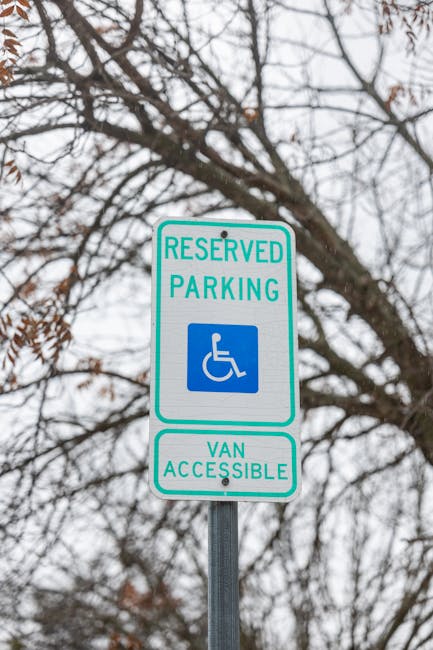
SW15 parking suspensions and moving vans: permit rules explained
If you are moving home or shifting office in SW15, parking can become the part of the day that causes the most stress. The boxes are packed, the van is booked, and then suddenly you realise the street outside may not be wide enough, legal enough, or calm enough for a safe loading bay. That is where SW15 parking suspensions and moving vans: permit rules explained becomes more than a search term. It becomes the difference between a smooth move and a very long morning with hazards flashing and everyone slightly on edge.
In Putney and the wider SW15 area, moving day often depends on whether you can reserve enough road space, follow the right permit process, and make sure the van is where it needs to be at the right time. This guide breaks it all down in plain English. You will learn how parking suspensions usually work, why permit rules matter, what moving companies and residents should check, and how to avoid the usual headaches. A bit of planning goes a long way, honestly.
Table of Contents
- Why parking suspensions and permit rules matter in SW15
- How parking suspensions and moving van access usually works
- Key benefits and practical advantages
- Who this is for and when it makes sense
- Step-by-step guidance
- Expert tips for better results
- Common mistakes to avoid
- Tools, resources and recommendations
- Law, compliance, standards, and best practice
- Options, methods, and comparison table
- Case study or real-world example
- Practical checklist
- Conclusion
- Frequently asked questions
Why SW15 parking suspensions and moving vans: permit rules explained Matters
Moving vans need access, and access needs space. In a busy area like SW15, that sounds simple until you meet narrow roads, permit zones, residents' bays, timed restrictions, delivery traffic, school runs, and the one neighbour who always seems to have two extra cars parked in the road. Moving without thinking about suspension or permit rules can mean your van parks too far away, blocks traffic, or gets caught by enforcement just when the loading starts. Not ideal.
For a small flat move, you may get away with quick kerbside loading if the street is quiet and the vehicle fits neatly into the available space. For a larger move, or anything involving a long wheelbase van, a removals truck, or multiple trips, the risk of friction rises fast. The value of understanding parking suspensions is not just avoiding fines. It is about reducing delays, keeping the crew working efficiently, and protecting the furniture from unnecessary carrying distance, knocks, and awkward turns up and down stairwells.
It also matters because the rules can affect everyone involved. Residents, landlords, tenants, office managers, and removal teams all want the same thing: a move that feels controlled rather than improvised. If you are organising home moves or comparing options for a heavier load with removal truck hire, parking planning should be part of the conversation from the start, not an afterthought at 7:30 a.m. on moving day.
How SW15 parking suspensions and moving vans: permit rules explained Works
At a practical level, parking suspensions are temporary restrictions that remove normal parking rights from a section of road for a specific purpose and period. That might be a domestic move, building works, an office relocation, or another activity that needs kerb space kept clear. The exact process and wording vary by local authority, but the logic is consistent: space is reserved, signs are displayed, and vehicles are expected to stay away.
For moving vans, the key question is whether the vehicle can legally and safely stop close enough to the property to load or unload. In many London streets, that means checking residents' bays, pay-and-display areas, single yellow lines, loading restrictions, permit-only zones, and any temporary suspension signs already in place. If a space is suspended, it is usually not available for parking even if it looks empty. Empty does not mean free. That little detail catches people out all the time.
Permits and suspensions are also different things, and it helps to keep them separate in your mind:
- A parking permit usually allows a vehicle to park in a controlled zone under stated conditions.
- A suspension temporarily takes a bay or stretch of road out of ordinary use.
- Loading permission may be allowed in some areas, but only for active loading, and often for limited periods.
In real terms, a move in SW15 often works best when the booking, the vehicle size, and the parking situation are planned together. If you are using a smaller vehicle such as a man and van service, you may have more flexibility. If you are moving larger furniture or a full household, the ability to set down close to the door is much more valuable. A narrow Victorian terrace, a modern apartment block, or a road with tight corners all change the picture.
There is another layer too: building access. Some properties need lift booking, concierge approval, or time windows for move-ins. So the road outside may not be the only issue. To be fair, it is rarely just one issue. It is usually three or four at once.
Key Benefits and Practical Advantages
Getting the parking arrangement right gives you more than legal compliance. It changes the tone of the whole day.
- Less carrying distance: The closer the van can get, the faster loading and unloading happens.
- Lower risk of damage: Fewer long carries mean fewer bumps on skirting boards, doors, and furniture edges.
- Better crew efficiency: Removal teams can work steadily instead of wasting time shuttling items back and forth.
- Less traffic disruption: A clear, authorised space reduces the chance of conflict with passing vehicles or neighbours.
- More predictable timing: Parking certainty helps everyone stick to the schedule.
That predictability matters more than most people expect. A move is already full of moving parts, excuse the phrase. Boxes go missing into corners, keys turn up late, someone realises the mattress was not wrapped after all. If the van can park where it should, you remove one major variable from the day.
There is also a commercial angle. If you are comparing the logistics of a domestic job with a business move, the parking plan can influence which service is most suitable. A small office shift might work well with office relocation services, while a larger, equipment-heavy operation may need the extra capacity and timing flexibility of commercial moves. Either way, the best results usually come from planning access before the van arrives, not after.
Who This Is For and When It Makes Sense
This topic is relevant to a wider group than first-time movers. In SW15, parking suspensions and permit rules matter for:
- tenants moving out of flats or maisonettes
- homeowners handling a full house move
- landlords coordinating changeovers
- students and sharers with limited street space
- office managers relocating staff and equipment
- builders or decorators needing temporary loading access
- families using a van for bulky items or furniture
It makes sense whenever your moving vehicle is likely to stop on a controlled road, in a restricted bay, or near a busy junction. It also makes sense when the furniture is heavy, the weather is poor, or the property access is awkward. Let's face it, the minute there is a sofa involved, everyone suddenly becomes very interested in how close the van can get.
You do not need to be running a full-scale relocation to care about this. Even a small furniture pick-up can become awkward if parking is uncertain. A quick collection from a second-floor flat, a piano-sized cabinet, or a wardrobe that needs careful handling may all benefit from a checked loading plan. If the move is especially bulky, furniture pick-up or a larger vehicle option may be more suitable than trying to squeeze everything into a poor parking setup.
Step-by-Step Guidance
If you want a calmer moving day, use this sequence. It is simple, but it works.
- Check the street and property access early. Look at bay markings, loading restrictions, double yellow lines, resident-only areas, and whether the road is wide enough for the vehicle.
- Estimate the vehicle size. A small van, long wheelbase van, and removal truck all create different parking needs. Bigger is not always better. Sometimes it is just more awkward.
- Ask whether a suspension is needed. If your vehicle will need to stop for a meaningful period, or if space is tight, a suspension may be the cleaner option.
- Confirm who is responsible for applying. This can depend on whether you are arranging the move yourself, through a landlord, or through a removals provider.
- Allow enough lead time. Temporary parking arrangements are rarely last-minute-friendly. Build in margin so you are not scrambling the day before.
- Prepare signage and communication. If your move affects neighbours or shared parking, tell people early and keep the message clear and polite.
- On the day, check the bay or road again. A road can look different at 8 a.m. than it did at 6 p.m. the night before.
- Keep loading active and tidy. If you are using a limited loading window, work efficiently and keep items moving.
One practical tip: if you are hiring help, make sure the mover knows about the parking arrangement before arrival. If the vehicle is too large for the space, or if the suspension zone is not as expected, the crew may need to reposition. That can add time, and sometimes a bit of stress nobody wanted. A company offering man with van support can be especially useful for tighter streets where flexibility matters.
Expert Tips for Better Results
In our experience, the smoothest SW15 moves are the ones where people think like a logistics planner for just one afternoon. Not glamorous, but effective.
- Book the parking arrangement before you book the van, if possible. That keeps the transport choice aligned with the road conditions.
- Measure the largest items. A sofa that fits in the van may still be impossible to manoeuvre if the parking spot is too far away.
- Use labelled zones inside the property. If everything is stacked in one room, loading becomes slower and messier.
- Keep a printed or saved copy of the parking details. Little things get forgotten when everyone is tired and carrying boxes.
- Factor in weather and time of day. Rain, darkness, and school traffic all make street loading harder.
Another useful habit is to walk the route from the front door to the van. It sounds obvious, but once you notice a narrow gate, a low wall, or a sloping pavement, you can plan the trolley, the carry team, and the order of items more sensibly. Moving is physical. The road surface, the curb height, and the distance all matter.
If you are relocating a workplace, it may be worth discussing timing with a provider that understands heavier logistics, such as a moving truck option or a more structured house removalists team when household and business needs overlap. You do not need overcomplication; you need the right fit.
Common Mistakes to Avoid
This is the section where most avoidable moving-day trouble shows up.
- Leaving parking checks until the morning of the move. By then, your options may be limited.
- Assuming an empty space means you can use it. If it is suspended, it is suspended.
- Choosing a vehicle that is too large for the street. Bigger capacity can backfire if the road layout is tight.
- Forgetting building rules. Block management, concierge, and loading restrictions can matter as much as street parking.
- Not telling neighbours or residents in advance. A quick notice avoids unnecessary complaints and tension.
- Underestimating loading time. Especially if there are stairs, fragile items, or awkward furniture.
A very common one: people plan for the van, but not for the route between the van and the flat. That route is where delays pile up. The lift is slow, the front door sticks, the sofa catches on the turn, and suddenly the "quick" move is not quick at all. Funny in hindsight, maybe. Not so funny at 10:15 a.m.
Tools, Resources and Recommendations
You do not need a complicated toolkit to handle parking and moving access well. A few practical resources are enough.
- A written move plan: dates, access times, vehicle details, and contact numbers.
- A simple street checklist: bay types, height restrictions, loading points, and potential bottlenecks.
- Phone photos of the road: helpful when confirming access with a mover or building manager.
- Protective equipment: blankets, straps, trolleys, and floor protection reduce damage and downtime.
- Clear pricing information: understand what is included before confirming the booking.
It can also help to choose a removals provider with clear policies around safety, payments, and handling. That does not solve parking on its own, of course, but it gives you a better overall setup. If you want to understand how a provider approaches customer care, operational safety, or sustainability, pages such as health and safety policy, insurance and safety, payment and security, and recycling and sustainability can give you useful background.
For planning and budget conversations, it is also sensible to review pricing and quotes early. That helps you line up vehicle size, labour, and access requirements before the day arrives.
Law, Compliance, Standards, and Best Practice
Parking suspensions and moving van access sit in the real world of local road rules, traffic management, and safe loading practice. The exact rules can vary by location and council process, so it is wise to treat local guidance as the final word for your street. In practical terms, the safest approach is simple: do not assume loading is permitted just because the van is there, and do not assume a bay is usable just because it is empty.
Best practice for a move in SW15 usually includes:
- checking whether the road is subject to resident permits, pay bays, or loading restrictions
- confirming any temporary suspension details before moving day
- keeping the van within legal and safe loading rules
- avoiding obstruction of driveways, crossings, and emergency access
- making sure the move is managed in a way that reduces risk to pedestrians and property
There is also a wider duty of care. Heavy lifting, manual handling, and loading near live traffic should be done carefully. That is not just good sense; it is part of keeping everyone safe. A good crew will look at trip hazards, traffic movement, wet surfaces, and visibility before they start. The street may be calm one minute and busy the next, especially around school pickup or early evening. You can feel it in the rhythm of the road.
Options, Methods, and Comparison Table
Different moves need different approaches. Here is a simple comparison to help you decide what fits best.
| Approach | Best for | Pros | Watch-outs |
|---|---|---|---|
| Short roadside loading without suspension | Quiet streets, smaller loads | Quick and simple | Can be risky if parking is tight or restrictions are unclear |
| Temporary parking suspension | Busy streets, larger vans, planned moves | More reliable access, less obstruction | Needs lead time and coordination |
| Smaller van with flexible access | Flats, narrow roads, lighter moves | Easier to manoeuvre | May require more trips for larger loads |
| Removal truck with planned loading zone | Full house moves, bulky furniture, office relocations | Efficient for bigger jobs | Needs more space and better route planning |
If your move is modest and access is straightforward, a flexible van option might be enough. If the property is tightly packed into a street with limited waiting space, a suspension and a more structured service can save time and avoid confusion. It is not always about the biggest vehicle. Sometimes the best choice is the one that fits the street best, which is annoyingly practical but true.
Case Study or Real-World Example
A typical SW15 move might involve a two-bedroom flat on a residential street with permit bays on both sides. The occupants have a sofa, a bed frame, several boxes, a washing machine, and a few fragile items. At first glance, it seems manageable with a standard van. But once the street is checked, it becomes clear that one side is permit-only, the other has timed restrictions, and the closest legal stopping point is far enough away to make carrying awkward.
Rather than hoping for the best, the move is planned with a temporary parking arrangement and a vehicle sized to suit the street. The crew arrives with trolleys, blankets, and a clear order for loading. The sofa comes out first, then the heavy appliances, then the boxed items. Because the van can park close enough, the team avoids unnecessary back-and-forth. The whole process is not magical. It is just organised.
The difference is visible immediately. Less waiting. Less shouting across the pavement. Fewer pauses to check where the next box should go. And, perhaps most importantly, no last-minute scramble because another vehicle has taken the exact spot everyone was counting on.
Practical Checklist
Use this before moving day. It saves hassle, even if the day is a bit chaotic.
- Confirm the move date and access times
- Check the road for permit bays, loading restrictions, and suspension signs
- Decide whether a smaller van or larger truck is more suitable
- Measure bulky furniture and appliances
- Tell neighbours or residents if parking will be affected
- Prepare floor protection, straps, blankets, and labels
- Keep contact details for the mover and property manager handy
- Review safety, insurance, and payment details in advance
- Allow extra time for stairs, lifts, or shared entrances
- Have a backup plan if the street is busier than expected
Expert summary: The best SW15 move is rarely the one with the fanciest van. It is the one with the clearest access plan, the right vehicle size, and enough room to load without guesswork.
If your move is still at the planning stage, it can help to explore practical support such as packing and unpacking services or a vehicle-led option like man with van before the date gets too close. For many households, that combination is the sweet spot between convenience and control.
Get a free quote today and see how much you can save.
Conclusion
SW15 parking suspensions and moving vans: permit rules explained is really about one thing: making sure your move has the space it needs to happen properly. In a part of London where roads can be tight, parking can be competitive, and restrictions can change the whole feel of a street, a little planning pays off fast.
If you take away just one lesson, let it be this: check the access before the van turns up. Decide whether a suspension, a permit-aware loading plan, or a smaller vehicle makes the most sense. Keep communication clear. Keep the loading space legal. And give yourself enough breathing room so the day does not run you.
Moves are rarely perfect, but they do not need to be messy. With the right parking plan, a SW15 move can feel calm, efficient, and surprisingly manageable. That little bit of order makes a big difference.
Frequently Asked Questions
Do I always need a parking suspension for a moving van in SW15?
No, not always. Smaller moves in quieter streets may be possible with normal legal loading, but if space is tight or the vehicle needs to stop for a while, a suspension may be the safer choice. The main thing is to check the specific street conditions rather than guess.
What is the difference between a parking permit and a parking suspension?
A permit usually allows parking under certain rules in a controlled bay or zone. A suspension temporarily removes that space from general use, often to reserve it for a specific purpose like a move or works. They are not the same thing, and people mix them up more often than you would think.
Can a moving van stop on double yellow lines in SW15?
Sometimes loading may be allowed in certain circumstances, but that depends on the local restrictions and the situation on the day. You should never assume it is fine. If in doubt, plan for a legal loading point or a better parking arrangement.
How far in advance should I sort out parking for my move?
As early as possible. For a straightforward move, a little lead time helps. For a busy street, a larger vehicle, or a full house move, you should plan well ahead so there is time to arrange access properly.
What happens if another car parks in the suspended bay?
If a bay has been properly suspended, an unauthorised vehicle should not be there. In practice, though, misunderstandings happen. That is why clear signage and good communication matter, and why it is wise to confirm the setup before moving day.
Is a man and van service better for narrow SW15 streets?
Often, yes. A smaller vehicle can be easier to position in tight residential roads, especially where access is awkward. If you are weighing options, a service like man and van can be a practical fit for lighter loads or shorter moves.
Will a larger removal truck always make the move easier?
Not necessarily. A larger vehicle can be more efficient for big loads, but only if the street can actually accommodate it. If parking or turning is difficult, a smaller vehicle or split-load approach may be better.
Do office moves need different parking planning from home moves?
Usually, yes. Office relocations often involve more equipment, tighter time windows, and building management requirements. That is why planning with office relocation services or a more commercial setup can be useful.
How do I know if my street is suitable for loading a van?
Walk the street. Check the bay markings, look for signs, notice traffic flow, and think about how far items would need to be carried. If the route from property to van looks awkward, it probably is awkward. Trust that instinct.
Can I just use a friend's van and avoid the parking issue?
Using a friend's van may help with cost, but it does not remove the need to follow parking and loading rules. In fact, it can make things trickier if the driver is unfamiliar with local restrictions. A clear plan is still needed.
What should I do if I am unsure about permit rules for my move?
Start with the street details, the vehicle size, and the move timing. If you still feel uncertain, speak to the removals provider and ask them to help assess access. It is better to ask a plain question now than argue with a parking sign later.
Is there a good way to reduce stress on moving day?
Yes: keep the access plan simple, pack early, label clearly, and make sure the van can park as close as possible. A small amount of front-end planning makes the whole day feel lighter. That relief is real, and you notice it the moment the first box goes in.